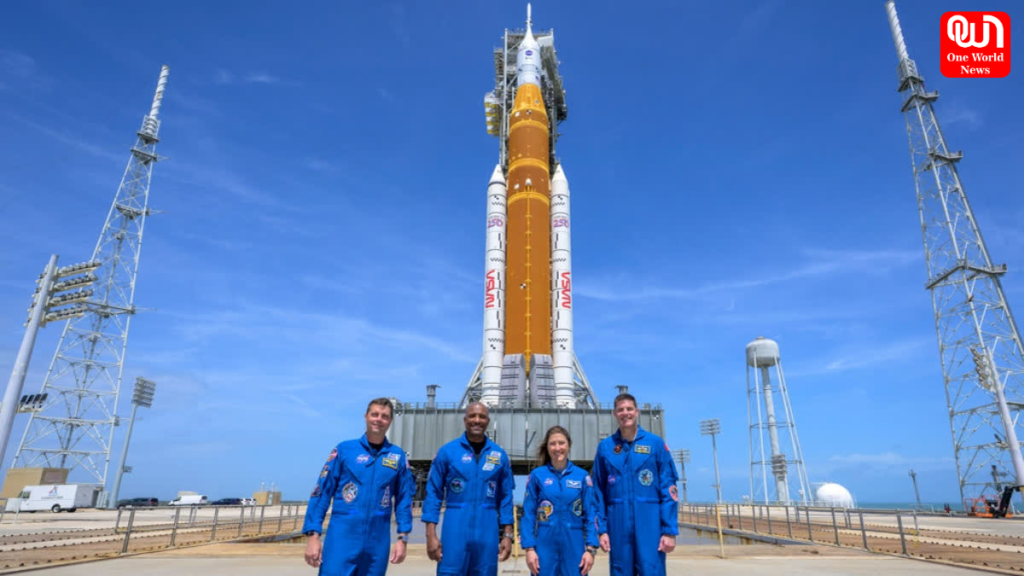
NASA Artemis II Mission Explained – If You Can’t Join, Here’s the Real Cost of Going to Space in 2026
The upcoming NASA Artemis II mission is one of the most anticipated spaceflights in modern history. Scheduled as the first crewed mission of NASA’s Artemis program, it will send astronauts around the Moon and back—marking a major step toward long-term lunar exploration.
But here’s the reality: you can’t buy a ticket on Artemis II. It’s a government-led mission, reserved strictly for highly trained astronauts selected by NASA. Still, that doesn’t mean space travel is completely out of reach anymore. In fact, the private space industry has opened doors—if you can afford the price tag.
Let’s break down what Artemis II is, why you can’t join, and how much it would actually cost you to go to space today.
Why You Can’t Join NASA Artemis II
Artemis II is not a commercial mission. It’s a critical test flight designed to evaluate the Orion spacecraft with astronauts onboard. Every crew member undergoes years of rigorous training, including survival exercises, spacecraft operations, and deep-space mission simulations.
Unlike private missions, NASA prioritizes safety, scientific objectives, and mission success over commercial participation. That’s why seats are not for sale—at any price.
So, How Much Does Artemis II Cost?
The total cost of Artemis II isn’t sold per seat, but estimates suggest the mission itself runs into billions of dollars. When you factor in the development of the Space Launch System (SLS), Orion spacecraft, and ground systems, the per-astronaut cost could theoretically exceed $1–2 billion per person.
Of course, this isn’t a ticket price—it’s the cost of cutting-edge exploration funded by taxpayers and government budgets.
The Real Cost of Going to Space (For Civilians)
While Artemis II is off-limits, private companies have created alternatives. Here’s what it actually costs today:
1. Suborbital Flights (Cheapest Option)
Companies like Blue Origin offer short trips to the edge of space aboard New Shepard.
- Cost: Around $250,000 to $500,000 per seat
- Experience: A few minutes of weightlessness and a view of Earth
- Duration: About 10–15 minutes
This is the closest thing to “space tourism for the wealthy.”
2. Orbital Missions (Much More Expensive)
For a longer and more immersive experience, companies like SpaceX offer orbital missions.
- Cost: Estimated $50 million to $100 million per seat
- Spacecraft: Crew Dragon
- Example: Private missions like Inspiration4
These missions circle Earth for several days, offering a true astronaut-like experience.
3. Lunar Missions (Closest to Artemis II Experience)
Private lunar missions are still rare, but SpaceX has plans for civilian trips around the Moon using Starship.
- Estimated Cost: Likely hundreds of millions per person
- Experience: Similar trajectory to Artemis II, but commercial
One notable example is the dearMoon project, which aimed to take civilians around the Moon.
Why Space Travel Is So Expensive
The high cost of space travel comes down to three major factors:
- Technology Development: Rockets, life support systems, and safety protocols require billions in R&D
- Fuel and Launch Costs: Launching a rocket can cost tens of millions per flight
- Risk and Safety: Human spaceflight demands extreme precision and redundancy
Even private companies, despite lowering costs, still operate in a high-risk, high-expense environment.
Will It Ever Become Affordable?
The long-term goal of companies like SpaceX is to dramatically reduce costs through reusable rockets and mass production. If this succeeds, ticket prices could drop significantly over the next decade.
Some experts believe suborbital flights could eventually fall below $100,000, while orbital trips may drop into the single-digit millions. Still expensive—but far more accessible than today.
Final Thoughts
While NASA Artemis II represents the future of human exploration beyond Earth, it’s not a journey you can simply buy into. However, the rise of private spaceflight means that space is no longer reserved exclusively for government astronauts.
If you’re dreaming of leaving Earth, the opportunity exists—but it comes with a steep price tag. Whether it’s a few minutes of weightlessness or a journey around the Moon, space travel is slowly transitioning from science fiction to a luxury experience for those who can afford it.
And who knows? In a few decades, the idea of booking a trip to space might feel as normal as catching an international flight today