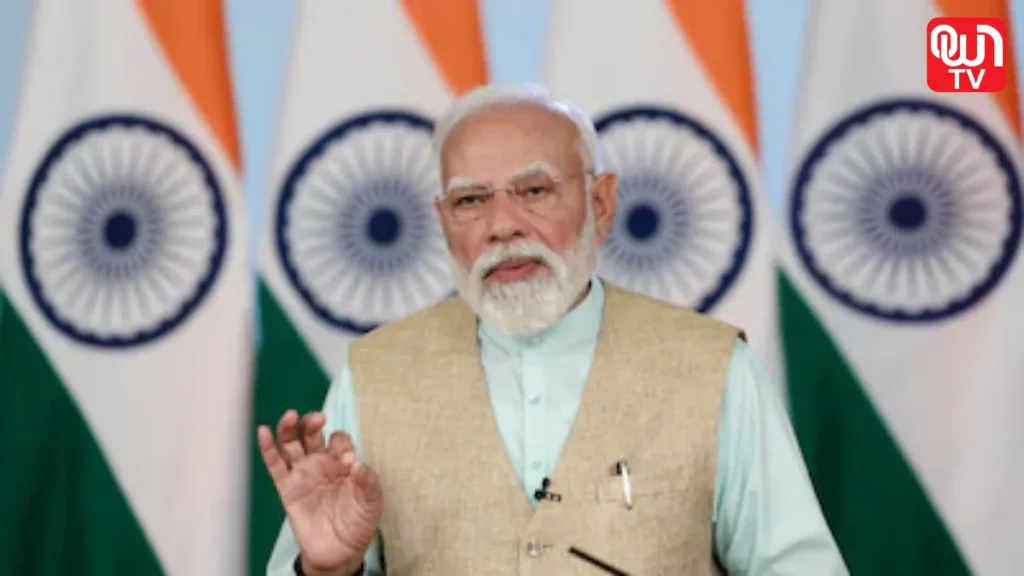
‘Most Important Decision of 21st Century’: PM Narendra Modi on Women Reservation Bill and Its Impact on India’s Democracy
The Women Reservation Bill has emerged as one of the most transformative political reforms in modern India. Prime Minister Narendra Modi has described it as the “most important decision of the 21st century,” underlining its far-reaching implications for democracy, governance, and gender equality.
This landmark legislation, officially known as the Nari Shakti Vandan Adhiniyam, seeks to reserve 33% of seats in the Lok Sabha and state legislative assemblies for women. The bill was passed in 2023 after decades of political debate and is expected to be implemented after delimitation, likely around 2029.
A Historic Reform for Gender Equality
India has long struggled with underrepresentation of women in politics. Despite being nearly half the population, women account for a relatively small percentage of lawmakers. The Women Reservation Bill aims to correct this imbalance by ensuring that women have a stronger voice in decision-making processes.
PM Modi has repeatedly emphasized that this reform is not just about representation but about empowerment and leadership. According to recent statements, the bill will “strengthen democracy” and promote women-led development, marking a new era in governance.
By ensuring one-third representation, the bill is expected to bring diverse perspectives into policymaking, especially on issues such as education, healthcare, and social welfare.
Why PM Modi Calls It the Most Important Decision
Calling the Women Reservation Bill the most important decision of the 21st century is not merely symbolic. The statement reflects the scale of transformation it can bring.
Firstly, it changes the structure of political power in India. With a guaranteed share of seats, women will no longer be dependent solely on party nominations or electoral luck. Instead, their participation becomes institutionalized.
Secondly, it has long-term social implications. Increased political representation often leads to better outcomes in areas like child welfare, education, and gender justice. Studies from local governance in India have already shown that women leaders tend to prioritize community development.
Thirdly, the bill sends a strong global message. It positions India as a country committed to gender equality and democratic inclusivity.
PM Modi has also highlighted that the decision will define the future of India’s development trajectory, making it a cornerstone reform for the coming decades.
Implementation Timeline and Challenges
While the bill has been passed, its implementation is linked to delimitation and census exercises, which are expected to be completed before the 2029 elections.
This delay has sparked political debate. Critics argue that postponing implementation reduces the immediate impact of the reform. Some opposition leaders have also raised concerns about transparency and consultation in the process.
However, the government maintains that proper groundwork is essential to ensure fair and effective implementation.
Read More: TCS, OpenAI Announce Partnership; Sam Altman Attends AI Summit
Political Consensus and Support
One of the most remarkable aspects of the Women Reservation Bill is the broad political support it has received. The bill was passed with overwhelming majority in Parliament, reflecting a rare moment of unity across party lines.
PM Modi has actively reached out to political leaders and stakeholders to build consensus, urging all parties to support what he calls a “historic reform.”
This collective backing underscores the importance of the bill as a national priority rather than a partisan issue.
Transforming India’s Democratic Landscape
The Women Reservation Bill has the potential to reshape India’s democratic landscape in profound ways. By increasing women’s participation, it will make governance more inclusive and representative.
The reform also aligns with the broader vision of “women-led development”, which emphasizes not just welfare but leadership and decision-making roles for women.
If implemented effectively, the bill could inspire similar reforms in other sectors, including corporate leadership and public administration.
Conclusion
The Women Reservation Bill is more than just a legislative reform—it is a historic milestone in India’s journey toward equality and inclusive governance. By calling it the most important decision of the 21st century, PM Narendra Modi has highlighted its transformative potential.
As India moves closer to its implementation, the bill stands as a symbol of progress, empowerment, and a more balanced democracy. Its success will ultimately depend on execution, but its vision has already set the stage for a new chapter in Indian politics.