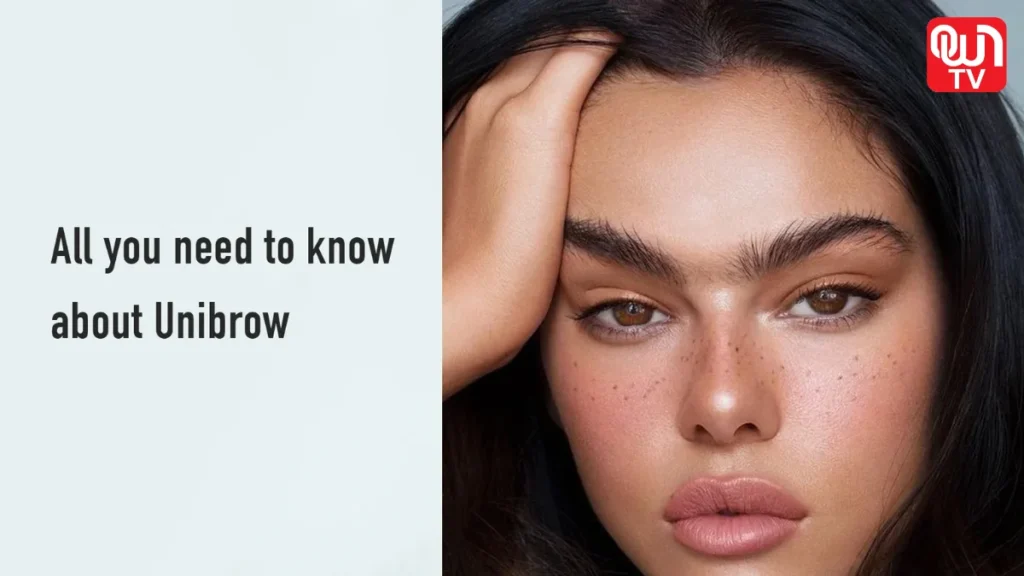
Things Everyone Should Know About Unibrows: Meaning, Causes, Grooming Tips, and Cultural Significance
Unibrows, also known as monobrows, are a natural facial feature where the eyebrows meet in the middle, forming a continuous line of hair across the forehead. While some people choose to remove or shape them, others proudly embrace their unibrows as a unique aspect of their identity. Understanding unibrows can help you make informed decisions about grooming, self-expression, and beauty standards.
What Are Unibrows?
A unibrow occurs when hair grows between the two eyebrows, connecting them. This happens due to genetics and is completely natural. The amount of hair and thickness varies from person to person. Some individuals may have a faint connection, while others may have a more prominent and dense unibrow.
What Causes Unibrows?
The primary cause of unibrows is genetics. If your family members have strong or thick eyebrow hair, you are more likely to develop a unibrow. Hormones also play a role, especially androgens, which influence hair growth. People with higher levels of these hormones may experience thicker and faster-growing facial hair, including in the area between the eyebrows.
In some cases, certain medical conditions can lead to excessive hair growth, but for most people, unibrows are simply a normal genetic trait and not a health concern.
Are Unibrows Common?
Yes, unibrows are more common than many people think. They appear across different cultures, ethnicities, and age groups. However, societal beauty standards often influence how visible or acceptable they are. In some regions, people remove the hair between their eyebrows regularly, making unibrows seem less common than they actually are.
Cultural Significance of Unibrows
Unibrows have different meanings in different cultures. In some societies, they are seen as a sign of beauty, intelligence, or strength. For example, in certain parts of the world, a unibrow is considered attractive and symbolizes confidence and individuality.
On the other hand, in Western beauty standards, separated eyebrows are often preferred, leading many people to groom or remove the hair between their brows. Despite this, there has been a growing movement toward embracing natural features, including unibrows.
Should You Remove a Unibrow?
Whether or not to remove a unibrow is a personal choice. There is no right or wrong answer. Some people prefer a cleaner, separated eyebrow look, while others embrace their natural appearance.
If you decide to remove or shape your unibrow, there are several safe methods available:
- Tweezing: A precise and common method for removing individual hairs
- Waxing: A quicker option that removes multiple hairs at once
- Threading: A traditional technique that provides clean and defined results
- Shaving: A painless and fast alternative, though hair may grow back quickly
Each method has its pros and cons, so it’s important to choose what works best for your skin type and comfort level.
Tips for Grooming Unibrows
If you want to maintain your eyebrows while keeping a natural look, consider these tips:
- Start small and remove only the hair in the center
- Avoid over-plucking, as it can affect the natural shape of your brows
- Use a mirror with good lighting to ensure precision
- Consider visiting a professional for shaping if you’re unsure
Maintaining a balanced look is key. Even if you remove the center hair, keeping your brows full can enhance your facial features.
Embracing Your Unibrow
In recent years, more people have started embracing their natural features, including unibrows. Social media and changing beauty standards have played a role in promoting self-acceptance. Many individuals now see unibrows as a symbol of confidence and authenticity.
Choosing to keep your unibrow can be empowering. It challenges traditional beauty norms and highlights individuality. Ultimately, beauty is subjective, and what matters most is how you feel about your appearance.
Common Myths About Unibrows
There are several misconceptions about unibrows:
- Myth: Unibrows are unhygienic
Fact: They are completely natural and have nothing to do with hygiene - Myth: Only certain people get unibrows
Fact: Anyone can have a unibrow, regardless of gender or ethnicity - Myth: Removing a unibrow makes hair grow back thicker
Fact: Hair may feel coarser when it grows back, but it does not actually become thicker
Final Thoughts
Unibrows are a natural and common feature that reflect genetic traits and cultural diversity. Whether you choose to groom or embrace your unibrow, the decision should be based on your personal preference. Understanding the causes, grooming options, and cultural perspectives can help you feel more confident in your choice.
At the end of the day, unibrows are just another example of how unique and diverse human features can be—and that’s something worth appreciating.